All three boost collagen — but the experience, downtime and ideal candidate are very different.
If your goal is firmer, brighter, more even skin, you’ve probably come across three options: a traditional chemical peel, microneedling, and PRX-T33. They share a destination but take very different roads to get there.
Traditional chemical peels
Medium-depth peels work by removing layers of skin, which forces renewal. They can be effective — but they typically come with visible peeling, redness and several days of social downtime, plus strict sun avoidance afterwards.
Microneedling
Microneedling creates thousands of tiny channels with fine needles to trigger repair. Results are good, but it is an injury-based method: there is pinpoint bleeding, downtime, and a real need for sterile technique.
Where PRX-T33 fits
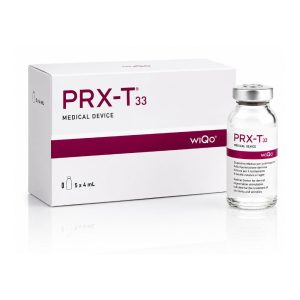
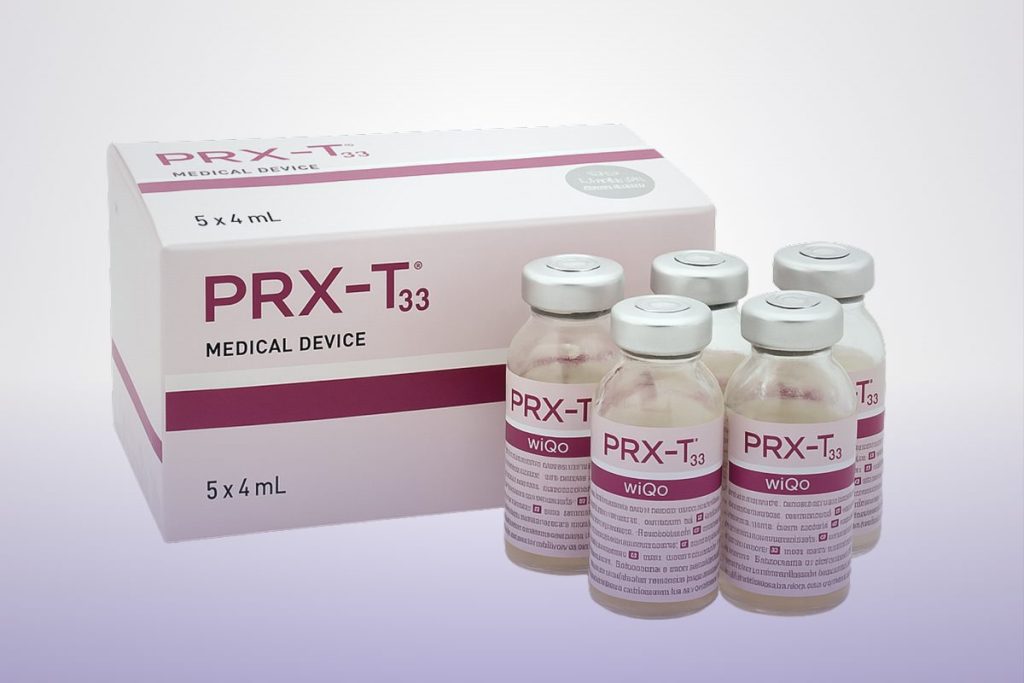
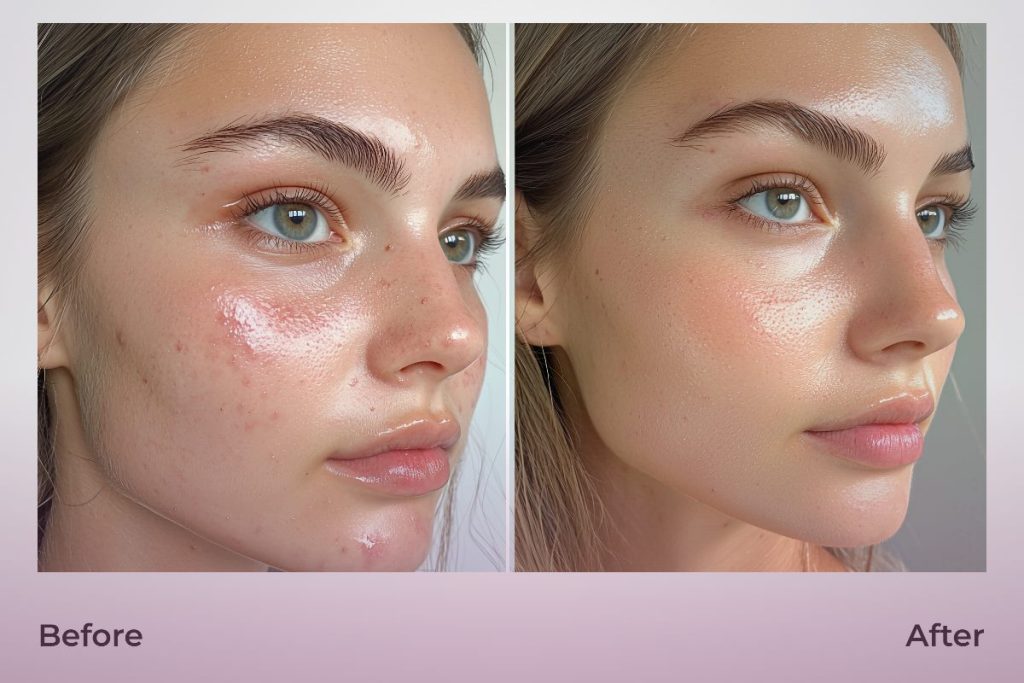
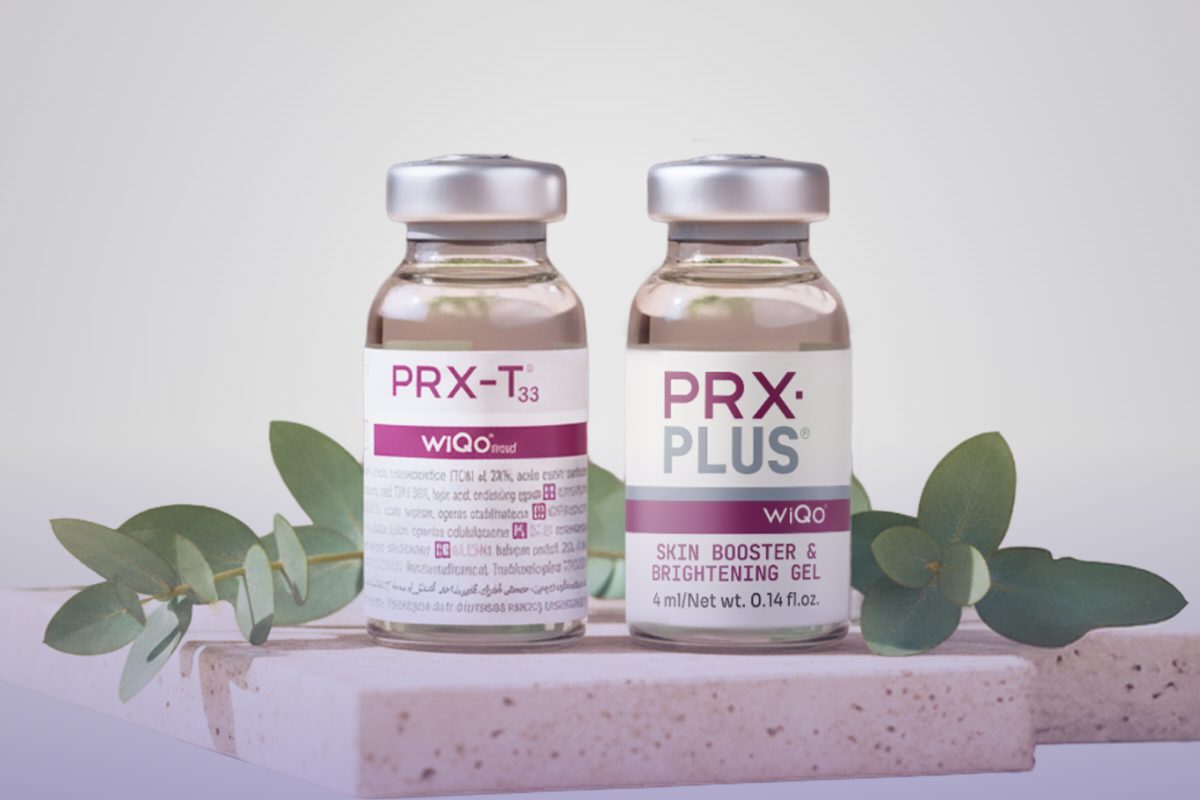
PRX-T33 reaches the same dermal repair response without breaking the skin barrier — no needles, no open wounds, no peeling. That makes it uniquely suited to people who cannot take downtime, have sensitive skin, or want a maintainable routine rather than a one-off ordeal.
Think of PRX-T33 as the option you can actually keep up with — results without rearranging your week.
Many people combine approaches over time. But if you want the gentlest route to firmer, glowing skin, PRX-T33 is usually the easiest place to start.